

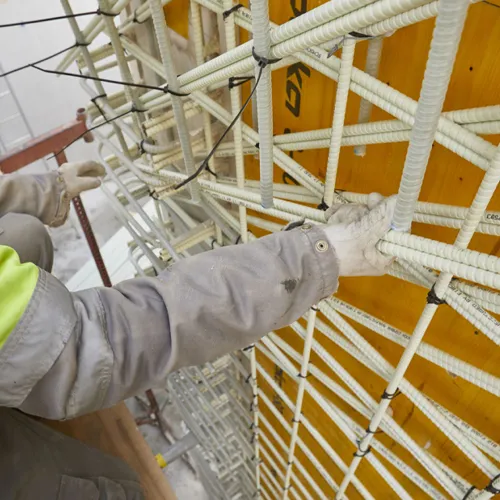
Applications of GFRP Rebars in Construction and Infrastructure
As the construction industry evolves, traditional materials like steel are being replaced by smarter alternatives. One such innovation is GFRP (Glass Fiber Reinforced Polymer) rebars — a high-strength, corrosion-resistant reinforcement material that is changing the way we build.
At Dakshin Ultrabar, we specialize in manufacturing customized GFRP rebars and bend elements, supplying durable reinforcement solutions across Tamil Nadu, Kerala, Karnataka, and Andhra Pradesh.
What Makes GFRP Rebars Ideal for Construction Applications?
Before diving into applications, let’s understand what sets GFRP rebars apart:
Corrosion Resistance: Does not rust, even in salty, wet, or chemical-rich environments.
Lightweight: Around 75% lighter than steel, easier to transport and handle.
High Tensile Strength: Stronger than steel per unit weight.
Electromagnetic Neutrality: Non-conductive and non-magnetic.
Long Lifespan: Reduces lifecycle costs and maintenance needs.
These features make GFRP ideal for a wide range of civil engineering and infrastructure projects.
Top Applications of GFRP Rebars
1. Bridges and Flyovers
Problem with steel: In bridges and flyovers, steel reinforcements are highly prone to corrosion due to continuous exposure to air, moisture, and de-icing chemicals.
Why GFRP?
GFRP rebars extend the lifespan of bridge decks, parapets, retaining walls, and abutments by resisting rust and maintaining structural integrity.
Common Uses:
Bridge decks in coastal and saline areas
Cantilever retaining walls
Elevated road supports and foundations
2. Marine and Coastal Structures
Problem with steel: Saltwater is a major enemy of steel. It causes rust, structural deterioration, and recurring maintenance costs.
Why GFRP?
GFRP rebars are non-corrosive and perform excellently in harbors, jetties, ports, seawalls, and breakwaters.
Common Uses:
Piling systems
Quay walls and docks
Wharf structures
Seawater intake chambers
3. Tunnels and Underground Infrastructure
Problem with steel: Steel corrodes rapidly in underground conditions, especially where water seepage and chemical exposure occur.
Why GFRP?
GFRP is ideal for tunnel linings, metro stations, mining shafts, and stormwater drains, thanks to its chemical resistance and high strength.
Common Uses:
Metro rail tunnels and platforms
Sewage and stormwater drainage tunnels
Subterranean parking and basements
4. Water Treatment and Storage Facilities
Problem with steel: Chlorinated water and wastewater corrode steel components quickly.
Why GFRP?
GFRP ensures longer life in overhead tanks, sumps, STPs, and WTPs by resisting harsh chemical and water exposure.
Common Uses:
Underground and overhead water tanks
Effluent treatment plants
Drinking water reservoirs
Sewage treatment plants
5. Industrial Construction
Problem with steel: Factories and industrial environments often contain corrosive chemicals and acids that damage steel.
Why GFRP?
In chemical plants, fertilizer units, oil refineries, and power plants, GFRP rebars remain unaffected by acids, alkalis, and heat.
Common Uses:
Machine foundations
Chimney and cooling tower supports
Chemical storage areas
Flooring in corrosive workspaces
6. Hospitals, Airports, and Substations
Problem with steel: In EMF-sensitive environments, steel can cause electromagnetic interference (EMI), affecting medical and electronic equipment.
Why GFRP?
Being non-conductive and EMI-free, GFRP rebars are used in specialized structures requiring electrical neutrality.
Common Uses:
MRI rooms
Airport control rooms
Power substations and switchyards
Data centers and labs
7. Precast Construction
Problem with steel: Precast elements using steel are heavy and require more effort in handling and transport.
Why GFRP?
GFRP makes precast beams, panels, slabs, and lintels lighter, easier to install, and more corrosion-resistant.
Common Uses:
Precast structural panels
Readymade slabs for bathrooms and corridors
Modular construction systems
Lightweight precast bridges
8. Residential and Commercial Buildings
Problem with steel: Basements and balconies with steel rebar often show signs of rust and water seepage over time.
Why GFRP?
In homes and commercial structures, GFRP can be used in slabs, beams, columns, balconies, and basements, especially in coastal or water-logged areas.
Common Uses:
Foundations in saline soil
Columns in humid environments
RCC slabs near swimming pools
Structural elements near drainage systems
9. Highway and Pavement Construction
Problem with steel: Steel mesh in roadways can corrode due to water penetration and salts used for maintenance.
Why GFRP?
GFRP rebars are increasingly used in pavement reinforcements, medians, and highway dividers, reducing cracking and improving durability.
Common Uses:
Pavement reinforcement mesh
Airport runway slabs
Median retaining walls
Noise barrier foundations
Conclusion:
Whether you’re building a bridge in a coastal town, laying out a substation, or reinforcing an underground tank, GFRP rebars provide unmatched advantages over traditional steel. Their lightweight, corrosion resistance, and long service life make them the material of choice for modern infrastructure.
At Dakshin Ultrabar, we’re not just manufacturers we’re your construction technology partners. Our GFRP solutions are trusted by engineers, builders, and government agencies across South India.
